 By Bede Halsey
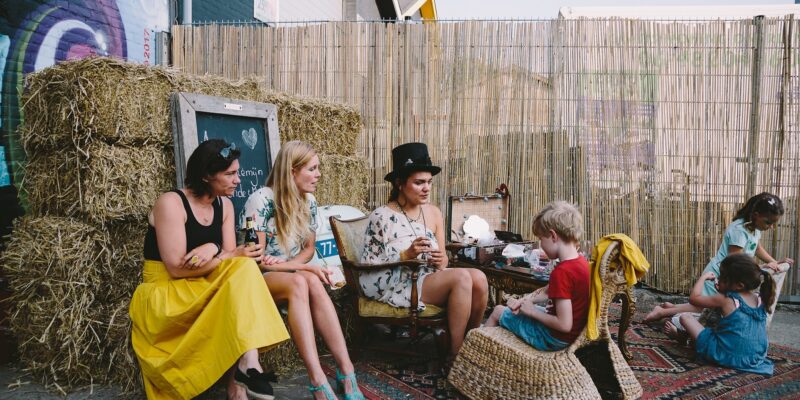
Creative districts offer more than just entertainment; they shape how people interact and express themselves. A creative space in Bangkok might host art exhibitions, co working areas, and music performances. These venues bring artists, entrepreneurs, and residents together, encouraging collaboration and innovation.
One effect of having such hubs is the development of a distinct neighbourhood identity. Murals, pop up markets, and small theatres give the area a unique flavour. Visitors remember these places and spread the word, which supports local businesses and artists.
Creative hubs often have educational programmes as well. Workshops for painting, pottery, or digital design provide training and spark new interests. Involving young people in these activities can inspire future careers and keep traditions alive.
Ways creative hubs enrich culture
- They provide space for emerging artists to showcase their work.
- They support small businesses through foot traffic and visibility.
- They encourage collaboration across different disciplines.
- They offer classes that develop new skills.
- They contribute to a neighbourhood’s unique character.
By nurturing creative communities, cities foster diversity and vibrancy. These hubs become focal points where ideas are exchanged and new projects take shape.
Creative hubs often become tourist destinations in their own right. Visitors look for murals, performances, and pop up shops, adding vibrancy to the local economy. Walking tours and maps highlighting these areas draw attention to lesser known neighbourhoods and encourage exploration.
Ensuring that these spaces remain accessible to a broad audience is important. Affordable admission fees, free events, and outreach programmes welcome people from diverse backgrounds. This inclusivity strengthens community bonds and nurtures a supportive atmosphere.
Partnerships with schools and universities foster creativity from an early age. Hosting student exhibitions or offering internships gives young people a platform to showcase their work and gain experience. These collaborations inspire future artists and entrepreneurs.
Investing in creative spaces can have ripple effects outside the arts. Increased foot traffic benefits nearby cafés, shops, and transport services. Over time, a thriving creative district can help revitalise an entire neighbourhood and attract further investment.
Planning for future growth means considering how creative hubs can evolve. Expanding workshop offerings, exploring partnerships with technology companies, and adapting spaces to new art forms keeps the district dynamic and ensures long-term relevance. By remaining flexible and forward thinking, creative hubs can continue to inspire and serve their communities for generations.
Regularly gathering feedback from visitors ensures that creative hubs stay relevant and continue to inspire innovation. Community input guides programming and helps venues grow with the needs of their audience.
Establishing mentorship programmes links experienced artists with newcomers, encouraging knowledge transfer and fostering community support. Celebrating successes with exhibitions or fairs raises the profile of the district and brings additional visitors. These events highlight achievements and contribute to a thriving cultural scene.