
 By Bede Halsey
Introduction
Tourism can be a powerful tool for economic development, cultural exchange, and environmental conservation. However, when it involves Indigenous communities, it carries a deeper responsibility. Supporting Indigenous tourism initiatives is not simply about visiting a destination; it requires awareness, respect, and intentional choices that benefit local communities without exploiting their traditions or resources.
Indigenous tourism offers travelers an opportunity to engage with authentic cultures, learn ancestral knowledge, and contribute directly to communities that have historically been marginalized. Done responsibly, it strengthens cultural preservation and promotes self-determination. Done poorly, it risks commodifying identities and disrupting fragile ecosystems.
This article explores how travelers, businesses, and policymakers can support Indigenous tourism initiatives in a responsible and meaningful way.
What Is Indigenous Tourism?
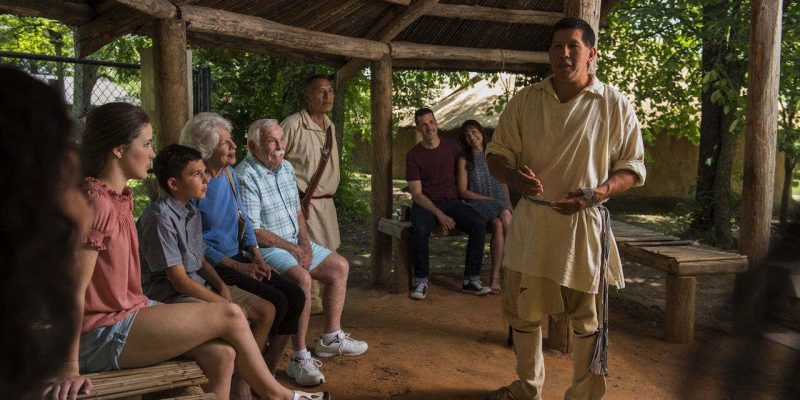
Indigenous tourism refers to travel experiences owned, operated, or led by Indigenous people that showcase their culture, traditions, history, and relationship with the land.
These experiences may include:
- Guided cultural tours
- Traditional storytelling and performances
- Artisan crafts and local markets
- Nature-based experiences rooted in ancestral knowledge
- Community-based homestays
At its core, Indigenous tourism is about self-representation. It allows communities to tell their own stories on their own terms.
Why Responsible Support Matters
Indigenous communities often face systemic challenges such as land displacement, economic inequality, and cultural erosion. Tourism can either exacerbate these issues or help address them.
Key Benefits of Responsible Indigenous Tourism
- Economic empowerment: Revenue stays within the community
- Cultural preservation: Traditions are practiced and passed down
- Environmental stewardship: Indigenous knowledge supports sustainable practices
- Education and awareness: Visitors gain deeper cultural understanding
However, these benefits only materialize when tourism is developed and supported ethically.
Principles of Responsible Indigenous Tourism
1. Community Ownership and Control
The most critical factor is ensuring that tourism initiatives are owned and managed by Indigenous communities themselves.
This means:
- Decision-making authority rests with the community
- Profits are distributed locally
- Cultural representation is authentic and not externally imposed
Travelers should prioritize businesses that clearly demonstrate community leadership.
2. Cultural Respect and Sensitivity
Indigenous cultures are not attractions to be consumed casually. They are living traditions with deep spiritual and historical significance.
Responsible engagement includes:
- Asking permission before taking photos
- Respecting sacred sites and practices
- Following local customs and dress codes
- Listening more than speaking
Avoid treating cultural experiences as entertainment; approach them as opportunities for learning.
3. Environmental Sustainability
Indigenous communities often have a profound connection to their land. Tourism should align with their environmental values.
Look for initiatives that:
- Limit visitor numbers to prevent over-tourism
- Use eco-friendly infrastructure
- Protect biodiversity and natural resources
- Incorporate traditional ecological knowledge
Supporting such practices helps preserve ecosystems for future generations.
4. Fair Compensation
Fair pay is essential. Many Indigenous artisans, guides, and performers have historically been underpaid or exploited.
Responsible travelers should:
- Pay fair prices without bargaining aggressively
- Purchase authentic, locally made products
- Avoid middlemen who take profits away from communities
Economic fairness ensures that tourism remains beneficial rather than extractive.
How Travelers Can Support Responsibly
Choose Ethical Tour Operators
Not all tourism businesses operate responsibly. Before booking, research whether the company:
- Partners directly with Indigenous communities
- Shares profits transparently
- Promotes cultural respect
Avoid operators that offer “staged” or overly commercialized experiences.
Educate Yourself Before Visiting
Understanding the history and context of a community enhances your experience and prevents unintentional harm.
Focus on:
- Historical challenges faced by the community
- Cultural norms and values
- Current social and environmental issues
This preparation shows respect and builds meaningful connections.
Support Local Businesses
Whenever possible, spend your money within the community.
Examples include:
- Eating at locally owned restaurants
- Buying handcrafted goods directly from artisans
- Staying in community-run accommodations
This ensures your contribution has a direct impact.
Travel Mindfully
Small actions can make a big difference:
- Reduce waste and avoid single-use plastics
- Respect wildlife and natural habitats
- Follow local guidelines and restrictions
Mindful travel aligns with Indigenous values of harmony with nature.
The Role of Governments and Organizations
Responsible Indigenous tourism is not solely the traveler’s responsibility. Governments and organizations play a crucial role.
Policy Support
Governments should:
- Protect Indigenous land rights
- Provide funding for community-led tourism projects
- Establish ethical tourism guidelines
Strong policies ensure that communities retain control over their resources.
Capacity Building
Training and education can help communities develop sustainable tourism models.
Key areas include:
- Business management
- Marketing and digital presence
- Hospitality skills
Empowerment through knowledge strengthens long-term success.
Ethical Partnerships
Non-Indigenous businesses must approach partnerships carefully.
Best practices include:
- Seeking consent and collaboration
- Ensuring equitable profit-sharing
- Respecting cultural boundaries
Partnerships should uplift communities, not overshadow them.
Challenges in Indigenous Tourism
Despite its potential, Indigenous tourism faces several challenges.
Cultural Commodification
There is a risk of reducing traditions to marketable products, stripping them of meaning.
Over-Tourism
Increased visitor numbers can strain resources and disrupt community life.
Lack of Representation
Some tourism experiences claim to be Indigenous but are not community-led.
Economic Leakage
Profits may flow to external companies rather than local communities.
Addressing these challenges requires vigilance from all stakeholders.
Examples of Responsible Practices
While models vary globally, successful Indigenous tourism initiatives often share common traits:
- Community councils overseeing tourism decisions
- Cultural protocols clearly communicated to visitors
- Limited group sizes for immersive experiences
- Integration of traditional knowledge into activities
These approaches balance cultural integrity with economic opportunity.
The Future of Indigenous Tourism
The future of Indigenous tourism depends on respect, equity, and sustainability.
As travelers become more conscious, demand for ethical experiences is growing. This shift creates an opportunity to redefine tourism as a force for good.
Key trends shaping the future include:
- Increased emphasis on regenerative tourism
- Digital platforms enabling direct bookings with communities
- Greater recognition of Indigenous rights and voices
Supporting these trends helps build a more inclusive and responsible tourism industry.
Conclusion
Supporting Indigenous tourism initiatives responsibly requires more than good intentions. It demands informed choices, cultural sensitivity, and a commitment to fairness.
By prioritizing community-led experiences, respecting traditions, and contributing ethically, travelers can play a meaningful role in preserving Indigenous cultures while fostering economic resilience.
Tourism, when approached thoughtfully, becomes more than a journey. It becomes a partnership rooted in respect and shared humanity.
Frequently Asked Questions
1. What is the difference between Indigenous tourism and cultural tourism?
Indigenous tourism is specifically led and owned by Indigenous communities, while cultural tourism may include broader cultural experiences that are not necessarily community-controlled.
2. How can I verify if a tourism experience is genuinely Indigenous-owned?
Look for transparency in ownership, community involvement, and partnerships. Authentic initiatives often highlight their leadership and local impact clearly.
3. Is it appropriate to take photos during Indigenous experiences?
It depends on the community. Always ask permission before taking photos, especially during ceremonies or in sacred spaces.
4. How does Indigenous tourism support cultural preservation?
It provides economic incentives for maintaining traditions, languages, and practices, ensuring they are passed down to future generations.
5. What should I avoid when visiting Indigenous communities?
Avoid disrespectful behavior such as ignoring local customs, bargaining unfairly, or treating cultural practices as entertainment.
6. Can Indigenous tourism contribute to environmental conservation?
Yes, many Indigenous communities incorporate traditional ecological knowledge, which promotes sustainable land and resource management.
7. Why is community ownership so important in Indigenous tourism?
Community ownership ensures that profits, decision-making, and cultural representation remain in the hands of Indigenous people, preventing exploitation and misrepresentation.