
 By Bede Halsey
Introduction
Adventure travel takes on a different meaning when it follows the footsteps of history. Routes once used by explorers, traders, and pioneers now offer modern travelers a chance to experience landscapes that shaped human discovery. These journeys are not just about reaching a destination. They are about retracing movement, understanding challenges, and connecting with the past in a physical and immersive way.
Historical exploration paths stretch across deserts, mountains, oceans, and forests. Today, many of these routes have been adapted into accessible travel experiences, blending adventure with education. Whether you hike, cycle, drive, or sail, following these paths adds depth and purpose to your journey.
What Are Historical Exploration Routes
Historical exploration routes are paths originally used during periods of discovery, trade, or migration. These routes often hold cultural, scientific, and economic significance, as they contributed to shaping civilizations and global connections.
Key Characteristics
- Documented history: Routes are supported by historical records or oral traditions
- Geographical continuity: They follow identifiable landscapes such as rivers, mountain passes, or coastlines
- Cultural influence: They impacted settlements, trade systems, and cultural exchange
- Modern accessibility: Many have been adapted for tourism and adventure travel
These routes are more than trails. They are narratives embedded in geography.
Why Travel Along Historical Routes
Following historical exploration paths transforms a typical trip into a meaningful experience.
Unique Benefits
- Connection to history: You physically engage with past events
- Sense of purpose: The journey mirrors real historical movement
- Educational value: You learn through direct experience
- Diverse landscapes: Routes often cross multiple terrains
- Cultural interaction: You encounter communities shaped by these paths
Adventure becomes more immersive when it carries historical context.
Types of Historical Adventure Routes
Different routes offer different experiences depending on their origin and purpose.
Trade Routes
Trade routes connected distant regions and enabled the exchange of goods and ideas.
- Long-distance desert caravans
- Mountain passes linking regions
- River-based trade corridors
Exploration Routes
These paths were taken by explorers seeking new lands or mapping unknown territories.
- Overland expeditions
- Coastal exploration paths
- Arctic and polar routes
Migration Routes
Migration paths reflect the movement of people over time.
- Nomadic trails
- Seasonal migration routes
- Settlement expansion paths
Pilgrimage Routes
Although spiritual in nature, many pilgrimage routes also served as exploration paths.
- Long-distance walking trails
- Sacred pathways connecting regions
Each type offers a unique perspective on human movement and adaptation.
Planning Your Adventure Route
Careful planning ensures a safe and rewarding experience.
Research the Route
Understand the historical significance and modern conditions.
- Study maps and timelines
- Learn about key landmarks
- Identify entry and exit points
Choose Your Mode of Travel
Different routes suit different travel styles.
- Hiking for immersive exploration
- Cycling for moderate distances
- Driving for extended routes
- Boating for water-based paths
Assess Physical Requirements
Some routes demand endurance and preparation.
- Altitude challenges
- Weather conditions
- Terrain difficulty
Choose a route that matches your fitness and experience level.
Essential Gear for Historical Route Travel
Your equipment should match the terrain and duration of your journey.
Basic Gear
- Durable backpack
- Weather-appropriate clothing
- Navigation tools such as maps and GPS
- Food and water supplies
Specialized Equipment
- Trekking poles for mountain routes
- Sand protection gear for desert travel
- Waterproof equipment for coastal or river routes
Documentation and Safety
- Identification and permits
- Emergency contact information
- First aid kit
- Communication device
Proper preparation enhances both safety and enjoyment.
Experiencing the Landscape
One of the most powerful aspects of following historical routes is experiencing the same environments that explorers once encountered.
Observing Terrain
- Notice how geography influenced route selection
- Identify natural barriers such as rivers or mountains
- Understand how climate shaped travel conditions
Recognizing Landmarks
- Ancient waypoints
- Ruins or remnants of settlements
- Natural features used for navigation
These elements help bring history to life.
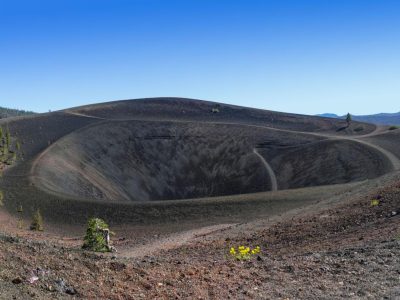
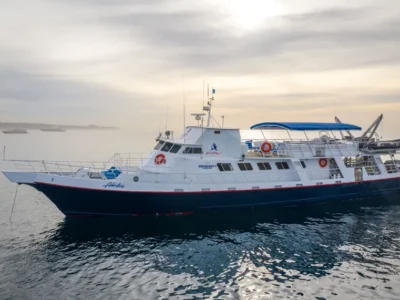
Example of Historical Exploration Landscapes
These environments reflect the diversity of historical routes, each offering unique challenges and perspectives.
Cultural Connections Along the Route
Historical routes often pass through regions with rich cultural heritage.
Engaging With Communities
- Learn about local traditions
- Understand how history shaped present-day life
- Support local businesses and guides
Preserving Cultural Integrity
- Respect customs and practices
- Avoid disrupting local environments
- Follow guidelines at cultural sites
Your presence should contribute positively to the communities you visit.
Challenges of Following Historical Routes
Adventure routes inspired by history come with unique difficulties.
Environmental Challenges
- Extreme weather conditions
- Remote locations with limited resources
- Difficult terrain
Logistical Issues
- Access restrictions
- Limited infrastructure
- Navigation complexities
Historical Gaps
Not all routes are fully preserved or clearly marked. Some require interpretation and flexibility.
Safety Considerations
Safety is essential, especially in remote or challenging environments.
Risk Management
- Plan for emergencies
- Inform others about your route
- Monitor weather conditions
Health and Well Being
- Stay hydrated
- Take breaks to avoid fatigue
- Be aware of altitude or climate-related risks
Travel in Groups
Whenever possible, travel with others for added safety and support.
Ethical Travel Practices
Respect for both history and environment is crucial.
Protecting Historical Sites
- Do not remove artifacts
- Avoid damaging structures
- Follow preservation rules
Environmental Responsibility
- Leave no trace
- Minimize waste
- Respect wildlife
Responsible travel ensures these routes remain accessible for future generations.
Tips for a Meaningful Journey
- Understand the story: Learn about the people who traveled the route
- Take your time: Allow space for reflection and observation
- Document your experience: Capture insights and observations
- Stay adaptable: Conditions may change unexpectedly
- Connect the past and present: Reflect on how history influences today
These practices help turn a physical journey into a thoughtful experience.
The Lasting Impact of Historical Adventure Routes
Following historical exploration paths changes how you perceive travel. It shifts the focus from destinations to journeys, from sightseeing to understanding. You begin to appreciate the challenges faced by those who came before and gain insight into how landscapes shaped human decisions.
These routes are not relics of the past. They are living pathways that continue to inspire exploration, learning, and connection.
FAQ Section
1. Are historical exploration routes suitable for beginners
Yes, many routes have varying difficulty levels. Beginners can start with shorter or well-developed sections.
2. How do I find authentic historical routes
Look for routes supported by historical records, local knowledge, and established travel guides.
3. Do I need special permits to travel these routes
Some routes require permits, especially in protected or remote areas. Always check regulations beforehand.
4. Can I travel these routes solo
Solo travel is possible but requires extra preparation and awareness of safety risks.
5. What is the best time of year to follow these routes
Timing depends on the region and climate. Research seasonal conditions for your chosen route.
6. How can I ensure my travel is historically respectful
Follow site guidelines, avoid disturbing artifacts, and learn about the cultural significance of the route.
7. Are guided tours better than independent travel
Guided tours provide historical context and logistical support, while independent travel offers flexibility. The best choice depends on your experience and preferences.