 By Bede Halsey
Introduction
Volcano rim trekking is one of the most compelling ways to experience Earth’s raw geological power. Walking along the edge of a crater places you at the boundary between stability and transformation, where the forces that shape continents are visible in rock, ash, and heat. These treks are not just scenic adventures; they are immersive journeys through geological history.
From massive calderas formed by ancient eruptions to active volcanic rims that still emit steam and gases, these landscapes offer a rare opportunity to witness how the planet evolves. Each step along a volcano rim reveals layers of time, from recent lava flows to formations that date back thousands or even millions of years.
Understanding Volcano Rim Landscapes
What Defines a Volcano Rim
A volcano rim is the elevated boundary surrounding a crater or caldera. It can form in several ways:
- Explosive eruptions that blow out the summit, leaving a circular depression
- Collapsed magma chambers that create wide calderas
- Accumulated lava and ash layers that build up over repeated eruptions
The rim itself often consists of hardened lava, volcanic rock, and compacted ash, shaped by both eruption events and erosion.
Types of Volcanic Structures
Volcano rim treks vary depending on the type of volcano:
- Stratovolcanoes: Steep, conical structures with dramatic rims and deep craters
- Shield volcanoes: Broad, gently sloping formations with wide calderas
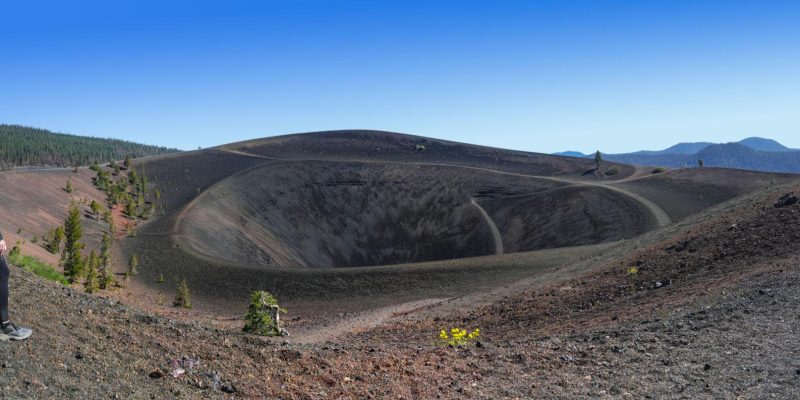
- Cinder cones: Smaller volcanoes with relatively simple crater rims
Each type presents different trekking conditions and geological features.
Geological Significance of Volcano Rim Treks
Layers of Earth’s History
Volcanic rims act like natural cross-sections of the Earth’s crust. As you walk along them, you can observe:
- Distinct layers of lava flows
- Ash deposits from explosive eruptions
- Mineral-rich الصخور formed under extreme heat
These layers provide clues about past eruptions and the evolution of the volcano.
Evidence of Plate Tectonics
Volcanoes are closely linked to tectonic activity. Rim treks often reveal:
- Fault lines and fractures
- Magma pathways frozen in rock
- Shifts in terrain caused by tectonic movement
These features help explain how Earth’s surface is constantly reshaped.
Active Geological Processes
In some locations, volcanoes remain active or dormant rather than extinct. Trekkers may encounter:
- Steam vents and fumaroles
- Sulfur deposits around gas emissions
- Warm ground indicating underlying magma
These signs highlight that the landscape is still evolving.
The Experience of Walking a Volcano Rim
Panoramic Views
One of the most striking aspects of rim trekking is the vantage point. From the top, trekkers can see:
- The crater floor below, often stark and otherworldly
- Surrounding landscapes shaped by past eruptions
- Vast horizons that emphasize the scale of geological forces
These views provide both visual impact and context for understanding the terrain.
A Sense of Scale and Power
Standing on a volcano rim gives a tangible sense of Earth’s القوة. The size of the crater and the ruggedness of the terrain remind trekkers of the immense energy involved in volcanic activity.
Changing Terrain Underfoot
Volcanic landscapes are rarely uniform. Along the rim, you may walk across:
- Jagged الصخور formed by cooled lava
- Fine ash that shifts with each step
- Solidified lava flows with rope-like textures
This variety makes the trek both challenging and engaging.
Planning a Volcano Rim Trek
Assessing Activity Levels
Before choosing a route, it is essential to understand the volcano’s status:
- Active: Frequent eruptions or ongoing geothermal activity
- Dormant: Currently quiet but capable of future eruptions
- Extinct: No expected future activity
Active volcanoes require additional precautions and may have restricted access.
Permits and Regulations
Many volcanic क्षेत्रों are protected due to their ecological and scientific importance. Trekkers may need:
- Entry permits
- Guided tours in restricted zones
- Compliance with safety regulations
Following these rules ensures both safety and conservation.
Physical Preparation
Volcano rim treks can be demanding due to:
- Steep ascents
- Loose or unstable surfaces
- High altitudes in some regions
Preparation should include cardiovascular conditioning and strength training.
Essential Gear for Volcano Trekking
Proper equipment is crucial for safety and comfort:
- Sturdy hiking boots with strong grip
- Protective clothing for wind and temperature changes
- Respiratory protection in areas with volcanic gases
- Navigation tools, including maps or GPS devices
- Adequate water and nutrition
In active क्षेत्रों, additional safety gear may be recommended.
Environmental and Safety Considerations
Volcanic Hazards
Trekkers must be aware of potential risks:
- Sudden गैस emissions that can be harmful
- Loose الصخور that may cause slips or falls
- Rapid weather changes at higher elevations
Understanding these hazards reduces the likelihood of accidents.
Respecting Geological Sites
Volcanoes are valuable scientific resources. Responsible trekking includes:
- Avoiding removal of الصخور or samples
- Staying on designated paths
- Respecting restricted areas
Preserving these environments allows future generations to study and enjoy them.
Notable Features Found on Volcano Rims
Lava Formations
Different types of lava create unique textures:
- Pahoehoe lava with smooth, flowing surfaces
- Aa lava with rough, jagged संरचनाएं
These formations reveal how lava cooled and solidified.
Crater Lakes
Some volcanic craters contain lakes formed by rainwater or groundwater. These lakes can be:
- Deep and शांत
- Chemically unique due to volcanic minerals
- Visually striking with unusual colors
Mineral Deposits
Volcanic गैस emissions often leave behind minerals such as sulfur, creating vivid रंग patterns around vents and الصخور.
Best Times for Volcano Rim Treks
Seasonal Factors
The ideal time depends on location, but generally:
- Dry seasons offer safer and more predictable conditions
- Wet seasons can make trails slippery and dangerous
Time of Day
Early morning treks are often recommended because:
- Weather conditions are more stable
- Visibility is clearer
- There is more time to complete the trek safely
The Scientific Value of These Treks
Volcano rim treks are not just recreational. They contribute to:
- Educational understanding of geology
- Research opportunities for scientists
- Public awareness of natural processes
By observing volcanic features firsthand, trekkers gain insights that are difficult to achieve through books or images alone.
The Emotional and Intellectual Impact
Walking along a volcano rim can be a deeply reflective experience. It combines:
- Awe at the scale of natural forces
- Curiosity about Earth’s formation
- Respect for the शक्ति of geological परिवर्तन
This blend of emotion and knowledge makes volcano trekking uniquely rewarding.
Conclusion
Volcano rim treks with geological significance offer a rare intersection of adventure and education. They provide access to landscapes that reveal the inner workings of the planet, from ancient eruptions to ongoing geothermal activity. While these treks require careful planning and respect for safety, the rewards are profound.
For those willing to step into these dynamic environments, volcano rim trekking delivers an experience that is both intellectually enriching and visually unforgettable.
FAQ Section
1. Are volcano rim treks dangerous for inexperienced hikers?
They can be challenging, especially on active or high-altitude volcanoes. Beginners should choose guided routes and less demanding terrains.
2. Can you trek on an active volcano safely?
Yes, but only in areas deemed safe by authorities and often with a guide. Monitoring volcanic activity is essential.
3. What causes the different colors seen in volcanic الصخور?
Minerals such as sulfur, iron, and other तत्व react with heat and gases, creating a range of colors.
4. Do volcano rims change over time?
Yes, erosion, weather, and volcanic activity continuously reshape the rim and surrounding landscape.
5. Is altitude sickness a concern on volcano treks?
In many cases, yes. High-altitude volcanoes can cause symptoms, so acclimatization is important.
6. Are crater lakes safe to approach?
Some are safe, but others may contain acidic or गर्म water. It is important to follow local guidelines.
7. How long does a typical volcano rim trek take?
It varies widely depending on the location and difficulty, ranging from a few hours to multi-day expeditions.