 By Bede Halsey
Introduction
The Arctic is changing at a pace that few regions on Earth can match. Rising temperatures, shifting ice patterns, and rapidly retreating glaciers are transforming not only the landscape but also how humans access and understand this remote region. One unexpected lens through which these changes are being observed is the expansion of Arctic cruise routes.
Cruise ships, once limited by dense sea ice and unpredictable conditions, are now navigating waters that were historically inaccessible. These evolving cruise paths provide a real-time window into glacial retreat, offering both scientific insights and ethical dilemmas. While these journeys reveal the scale of climate change, they also raise important questions about environmental responsibility and sustainable tourism.
The Arctic as a Climate Indicator
The Arctic functions as a global climate regulator. It reflects sunlight, stabilizes ocean currents, and influences weather patterns across continents. Because of its sensitivity to temperature changes, it serves as an early warning system for global warming.
Why Glacial Retreat Matters
Glaciers in the Arctic are not static formations. They are dynamic systems that respond directly to temperature and precipitation changes.
Key implications of glacial retreat include:
- Rising sea levels due to melting ice sheets
- Loss of freshwater reserves stored in glaciers
- Disruption of marine ecosystems
- Changes in albedo, accelerating warming
Tracking these changes is essential for understanding broader climate trends.
The Rise of Arctic Cruise Routes
Over the past two decades, Arctic cruise tourism has expanded significantly. Routes that were once blocked by thick ice are now open for longer periods each year.
Emerging Cruise Corridors
Several major Arctic pathways have gained attention:
- The Northwest Passage across northern Canada
- The Northern Sea Route along Russia’s coastline
- Greenland fjord systems offering close glacier views
- Svalbard archipelago routes known for polar landscapes
These routes are not only commercial pathways but also observational corridors for environmental change.
Why Cruises Are Expanding
Several factors contribute to the growth of Arctic cruising:
- Reduced sea ice coverage during summer months
- Advances in ice-strengthened ship technology
- Increased demand for expedition-style travel
- Greater accessibility of remote polar regions
As a result, cruise itineraries now reach deeper into glacial zones than ever before.
Cruise Paths as Observational Tools
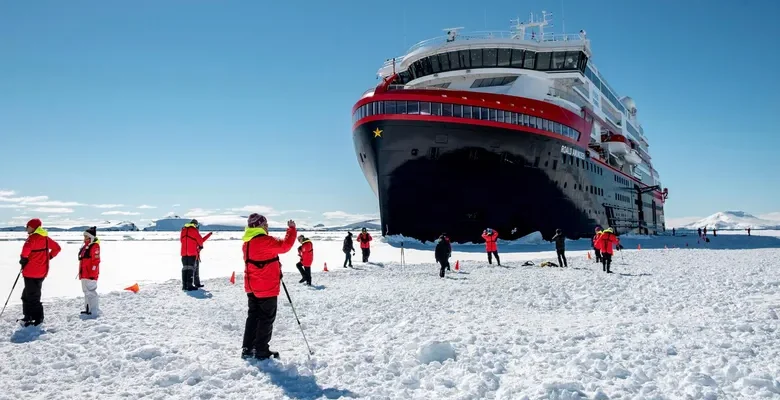
Arctic cruise ships are uniquely positioned to document glacial retreat. Their mobility allows them to access areas that are difficult for land-based researchers to reach.
Onboard Data Collection
Many expedition cruises collaborate with scientists or include research components.
Common observational methods include:
- Photographic comparisons of glacier fronts over time
- GPS mapping of coastline changes
- Water temperature and salinity measurements
- Ice thickness monitoring
Passengers often participate in citizen science programs, contributing valuable data.
Visual Evidence of Change
Travelers frequently witness dramatic signs of glacial retreat:
- Receding ice fronts exposing bare rock
- Increased iceberg calving events
- Newly formed waterways where glaciers once stood
- Thinner and fragmented sea ice
These observations provide a tangible understanding of climate change that statistics alone cannot convey.
Key Regions Experiencing Rapid Change
Greenland
Greenland holds one of the largest ice sheets in the world. Cruise routes along its western coast reveal significant glacier loss.
Notable observations include:
- Retreating outlet glaciers
- Increased meltwater runoff
- Expanding fjords
Svalbard
This Norwegian archipelago has become a focal point for Arctic tourism and research.
Key changes include:
- Rapid glacier thinning
- Seasonal ice disappearance
- Shifts in wildlife habitats
Canadian Arctic Archipelago
The Northwest Passage offers a unique perspective on ice loss.
Travelers report:
- Longer navigation windows
- Reduced multi-year ice
- Changing coastal landscapes
Russian Arctic
The Northern Sea Route is increasingly navigable.
Observed trends include:
- Declining sea ice coverage
- Increased industrial and shipping activity
- Coastal erosion linked to warming temperatures
Environmental Concerns of Arctic Cruising
While cruise paths provide valuable insights, they also introduce environmental risks.
Carbon Emissions
Cruise ships generate significant greenhouse gas emissions, contributing to the very problem they help document.
Black Carbon Pollution
Soot particles from ship exhaust can settle on ice surfaces, reducing reflectivity and accelerating melting.
Disturbance to Wildlife
Increased human presence can disrupt sensitive Arctic species such as:
- Polar bears
- Seals
- Seabirds
Risk of Accidents
Remote Arctic waters pose challenges for emergency response, raising concerns about potential oil spills or groundings.
Balancing Exploration and Responsibility
The challenge lies in leveraging the observational benefits of cruise paths while minimizing environmental harm.
Sustainable Cruise Practices
Responsible operators are adopting measures such as:
- Using cleaner fuel technologies
- Limiting passenger numbers
- Following strict wildlife interaction guidelines
- Reducing onboard waste
Regulatory Frameworks
International agreements and local regulations aim to manage Arctic tourism.
These include:
- Shipping guidelines for polar waters
- Protected marine areas
- Seasonal restrictions
Effective enforcement remains critical.
The Role of Technology in Tracking Glacial Retreat
Technology enhances the ability to monitor changes along cruise routes.
Satellite Integration
Satellite imagery complements observations from ships, providing large-scale context.
Drones and Remote Sensors
Some expeditions deploy drones to capture high-resolution images of glacier fronts.
Data Sharing Platforms
Collected data is increasingly shared across global networks, supporting climate research and policy development.
Ethical Considerations
Arctic cruising raises complex ethical questions.
Is Observation Enough
Witnessing glacial retreat can inspire awareness, but it also risks turning environmental loss into a spectacle.
Tourism Versus Conservation
The growth of Arctic tourism must be weighed against its ecological footprint.
Responsibility of Travelers
Visitors play a role in shaping the industry through their choices.
Responsible travelers:
- Choose environmentally conscious operators
- Educate themselves about Arctic ecosystems
- Minimize their personal impact
The Future of Arctic Cruise Paths
The trajectory of Arctic cruising is closely tied to climate trends.
Likely Developments
- Longer cruise seasons as ice continues to decline
- Expansion into previously inaccessible مناطق
- Increased integration of scientific research into tourism
Potential Risks
- Over-tourism in fragile क्षेत्रों
- Greater environmental degradation
- Loss of the very landscapes that attract visitors
The future will depend on how effectively sustainability is prioritized.
Conclusion
Arctic cruise paths offer a rare and immediate perspective on glacial retreat. They reveal a region in transition, where ice is giving way to open water and ancient landscapes are being reshaped.
These routes serve as both a witness and a warning. They highlight the urgency of climate change while challenging the tourism industry to operate responsibly.
Understanding glacial retreat through Arctic cruising is valuable, but it must be approached with care. The goal should not only be to observe change but to contribute to preserving what remains.
Frequently Asked Questions
1. Why are Arctic cruise routes expanding?
Warmer temperatures and reduced sea ice are making previously inaccessible مناطق navigable for longer periods each year.
2. How do cruise ships help track glacial retreat?
They provide close-up observations, collect environmental data, and document visible changes in glaciers and ice conditions.
3. Are Arctic cruises harmful to the environment?
They can be, particularly due to emissions and wildlife disturbance, but responsible practices can reduce their impact.
4. What is the Northwest Passage?
It is a sea route through the Canadian Arctic that has become more accessible due to melting ice.
5. Can tourists participate in scientific research during cruises?
Yes, many expedition cruises include citizen science programs where passengers assist in data collection.
6. What are the biggest signs of glacial retreat visible from cruise ships?
Receding glacier fronts, increased iceberg calving, and newly exposed land are common indicators.
7. Will Arctic cruising continue to grow in the future?
It is likely to expand as ice continues to decline, but growth will depend on environmental regulations and sustainability efforts.