Travel

Spin in Singapore, Classes That Fit a Tourist Itinerary

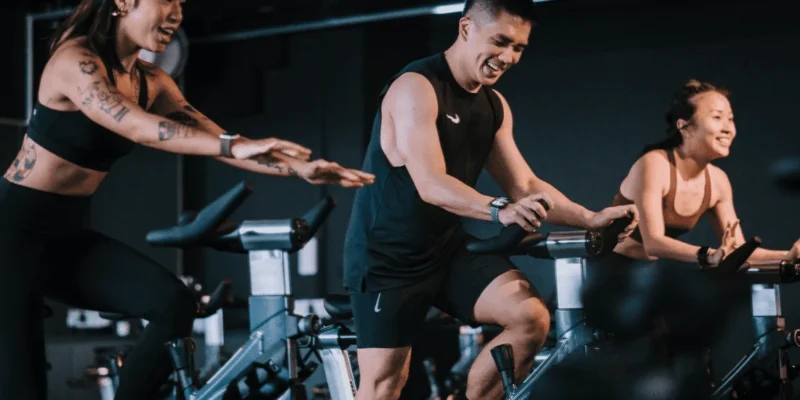
Travel does not have to mean abandoning fitness routines or starting over after every trip. In fact, short, structured workouts can enhance travel energy, reduce stiffness, and improve how visitors experience a destination. For travellers exploring indoor cycling singapore options, spin classes offer a time efficient, weather proof way to stay active without disrupting sightseeing plans.

This article explores how indoor cycling fits seamlessly into a tourist itinerary in Singapore, whether you are visiting for business, leisure, or a short stopover.

Why Indoor Cycling Works for Travellers

Travelling introduces physical stress even before sightseeing begins. Long flights, extended sitting, irregular meals, and jet lag all affect circulation and energy levels. Indoor cycling addresses these issues in a controlled and predictable environment.

Spin classes are ideal for travellers because they:

  • Take less than 60 minutes door to door

  • Do not require outdoor navigation or local knowledge

  • Are unaffected by heat, rain, or humidity

  • Offer structured intensity without guesswork

For tourists, this removes friction and maximises return on limited time.

Managing Jet Lag Through Movement

Jet lag disrupts circadian rhythm, muscle tone, and mental clarity. Strategic exercise can accelerate adjustment, but only if intensity and timing are chosen carefully.

When to Ride After Arrival

  • Morning arrival: A moderate intensity ride later that day can promote alertness

  • Evening arrival: A light to moderate ride the next morning supports rhythm reset

  • Short stopovers: One session is often enough to reduce stiffness and fatigue

Indoor cycling allows travellers to choose intensity based on how their body feels rather than committing to long outdoor activities.

Structuring a Travel Day With a Spin Class

Many tourists hesitate to schedule workouts because they fear losing sightseeing time. In reality, a well timed class often enhances the rest of the day.

Example Half-Day Itinerary

  • Morning spin class

  • Breakfast or brunch nearby

  • Sightseeing with improved energy and mobility

After cycling, muscles are warm, joints are lubricated, and walking feels easier. This is especially helpful when exploring areas that involve long distances on foot.

Energy Management for Sightseeing

Tourism often involves stop start movement, queues, and uneven pacing. Indoor cycling provides a focused energy output that stabilises blood sugar and reduces mid day crashes.

Why Short Intense Workouts Beat Long Walks

  • Predictable duration and intensity

  • Less cumulative joint strain

  • Faster recovery

Rather than arriving exhausted at dinner time, travellers often report feeling more balanced after a spin session.

Weather Proof Training in a Tropical Climate

Singapore’s climate can be challenging for visitors not acclimatised to heat and humidity. Outdoor activities may feel overwhelming, especially during peak hours.

Indoor cycling avoids:

  • Heat exhaustion

  • Excessive sweating during sightseeing

  • Dehydration from prolonged outdoor exposure

This makes it a reliable anchor activity regardless of weather conditions.

Packing Light for Indoor Cycling

One advantage of spin classes is minimal equipment requirements. Travellers do not need bulky gear or specialised clothing.

What to Bring

  • Lightweight workout clothes

  • Training shoes suitable for cycling

  • A reusable water bottle

Most travellers can integrate a class without changing their packing strategy.

Choosing Intensity While Travelling

Travelling already places stress on the body. Training should complement, not compound, that stress.

Smart Intensity Guidelines for Tourists

  • Choose moderate sessions during the first two days

  • Avoid back to back high intensity days

  • Use cadence focused rides rather than heavy resistance

This approach maintains fitness without draining energy needed for travel experiences.

Recovery Benefits After Flights

Long flights reduce circulation and increase muscle stiffness, particularly in the hips and lower back. Cycling promotes blood flow without impact.

Benefits include:

  • Reduced leg swelling

  • Improved hip mobility

  • Faster return to normal movement patterns

A single session can noticeably improve comfort for the rest of the trip.

Spin Classes for Business Travellers

Business travellers often face tight schedules, meetings, and social dinners. Indoor cycling fits easily between commitments.

Advantages include:

  • Fixed class times

  • Predictable duration

  • Mental reset between meetings

This makes spin a practical option even during short stays.

Cultural Comfort for First-Time Visitors

For travellers unfamiliar with local customs, indoor fitness spaces offer familiarity. Instructions are clear, environments are structured, and expectations are straightforward.

This reduces anxiety and decision fatigue, allowing visitors to focus energy on enjoying the destination.

Supporting Consistency Across Trips

Frequent travellers often struggle with fitness consistency. Short, repeatable workouts help maintain momentum across different locations.

Indoor cycling supports:

  • Routine despite changing environments

  • Familiar training structure

  • Easier re-entry into normal training after travel

Consistency reduces the physical shock of transitioning between travel and home life.

Studio Accessibility and Planning

Choosing centrally located studios simplifies logistics for tourists. Short travel time before and after class preserves energy.

Studios such as TFX Singapore offer structured classes that integrate well into busy itineraries, allowing visitors to train without extensive planning.

Post-Class Planning for Tourists

After a spin session, simple habits enhance recovery and comfort for the rest of the day.

Helpful practices include:

  • Rehydrating steadily

  • Eating a balanced meal within one to two hours

  • Wearing comfortable footwear for walking

These steps maximise the benefits of the workout while supporting exploration.

Avoiding Overtraining While Travelling

Excitement and free time can tempt travellers to do too much. Overtraining reduces enjoyment and increases fatigue.

A realistic approach includes:

  • One class every one to two days

  • Prioritising sleep and hydration

  • Listening to energy levels rather than schedules

Training should enhance the trip, not dominate it.

Real-Life FAQ

Is it better to spin on arrival day or the next day?

It depends on arrival time. Light movement on arrival or a moderate ride the next morning both work well.

Will cycling make jet lag worse?

No, when intensity is controlled. Excessive intensity late at night may delay sleep.

Do I need to be very fit to join a spin class while travelling?

No. Intensity can be adjusted individually without disrupting the class.

How soon after a flight should I ride?

Many travellers feel comfortable riding within 12 to 24 hours, depending on fatigue and hydration.

Can indoor cycling help with travel related stiffness?

Yes. It promotes circulation and reduces joint stiffness effectively.

What if I feel tired halfway through class?

Reducing resistance and focusing on cadence keeps the session beneficial without strain.

Is one class enough during a short trip?

Yes. Even one session can improve comfort and energy for the remainder of the trip.

Should I eat before or after the class while travelling?

A light snack before and a proper meal after works well for most travellers.

Indoor cycling offers travellers a practical way to stay active without sacrificing exploration. When planned thoughtfully, a single spin class can enhance comfort, energy, and enjoyment throughout a Singapore itinerary.

What is your reaction?

Excited
0
Happy
0
In Love
0
Not Sure
0
Silly
0

You may also like

More in:Travel