 By Bede Halsey
Introduction
Camping in transboundary wilderness areas offers a rare chance to experience nature without regard for political borders. These regions, shared by two or more countries, preserve ecosystems that stretch beyond human-made boundaries. For outdoor enthusiasts, they present unmatched opportunities for exploration, cultural exchange, and ecological awareness.
Unlike traditional camping trips confined within a single nation, transboundary wilderness camping introduces additional layers of planning, responsibility, and discovery. From navigating international regulations to respecting diverse ecosystems and cultures, this experience is as complex as it is rewarding.
What Are Transboundary Wilderness Areas?
Transboundary wilderness areas are natural landscapes that span across international borders. Governments collaborate to conserve these regions, often establishing joint management systems to protect biodiversity and cultural heritage.
Some well-known examples include:
- Waterton-Glacier International Peace Park in North America
- Great Limpopo Transfrontier Park in southern Africa
- The W-Arly-Pendjari Complex in West Africa
- The Carpathian Biosphere Reserve in Eastern Europe
These areas are often protected under international agreements, allowing wildlife to roam freely and ecosystems to function naturally without fragmentation.
Why Choose Transboundary Camping?
Camping across borders isn’t just about adventure. It offers a deeper connection to nature and a broader understanding of environmental conservation.
Unique Benefits
- Uninterrupted ecosystems: Wildlife migration routes remain intact, offering richer biodiversity.
- Cultural diversity: Campers can experience traditions, languages, and practices from multiple countries.
- Expansive landscapes: Larger protected areas mean fewer crowds and more remote camping opportunities.
- Collaborative conservation: Visitors witness how countries work together to protect shared natural resources.
Planning Your Trip
Successful transboundary camping requires careful preparation. Unlike domestic trips, you’ll need to consider legal, logistical, and environmental factors.
Permits and Documentation
Crossing borders within wilderness areas often requires:
- Valid passport
- Special entry permits for protected zones
- Camping permits from both countries
- Visa requirements depending on nationality
Some parks allow seamless movement within designated zones, while others require official border crossings.
Research Regulations
Each country may have different rules regarding:
- Campfire usage
- Wildlife interaction
- Waste disposal
- Drone usage
- Fishing or hunting restrictions
Ignoring these rules can result in fines or removal from the park.
Seasonal Considerations
Weather conditions can vary dramatically across borders. A region might be dry in one country and rainy in another due to elevation or climate differences. Always check seasonal forecasts for the entire area.
Essential Gear for Transboundary Camping
Packing smart is critical when venturing into remote cross-border regions.
Core Equipment
- Durable tent suited for varying weather conditions
- Multi-day backpack
- Portable water filtration system
- Navigation tools such as GPS and physical maps
- Lightweight cooking gear
Documentation Kit
Keep these items easily accessible:
- Passport and permits
- Emergency contacts
- Travel insurance documents
- Copies of identification
Safety and Survival Items
- First aid kit
- Satellite phone or emergency beacon
- Bear spray or wildlife deterrents where applicable
- Extra food supplies
Navigating Borders in the Wilderness
One of the most fascinating aspects of transboundary camping is crossing borders without traditional checkpoints. However, this doesn’t mean regulations don’t apply.
Designated Crossing Points
Some areas have official wilderness crossing zones where campers can move between countries legally. These are often marked on maps and require prior authorization.
Border Awareness
Even if borders are invisible, you must know your location at all times. Accidentally crossing into restricted zones can lead to legal complications.
Environmental Responsibility
Transboundary areas are often ecologically sensitive. Responsible camping is essential to preserve these landscapes.
Leave No Trace Principles
- Pack out all waste
- Avoid disturbing wildlife
- Use established campsites where possible
- Minimize campfire impact
Protecting Biodiversity
These regions often host endangered species. Avoid feeding animals or approaching them for photos. Respect habitat boundaries and migration corridors.
Cultural Sensitivity Across Borders
Camping across countries means encountering diverse communities and traditions.
Respect Local Customs
- Learn basic phrases in local languages
- Follow cultural etiquette
- Dress appropriately if visiting nearby villages
Support Local Economies
Purchase supplies from local vendors or hire local guides. This contributes to sustainable tourism and strengthens community relationships.
Challenges of Transboundary Camping
While rewarding, this type of camping comes with unique challenges.
Logistical Complexity
Managing permits, routes, and regulations across multiple countries can be time-consuming.
Communication Barriers
Different languages and emergency systems can complicate navigation and safety planning.
Limited Infrastructure
Many transboundary areas are remote, with minimal facilities. Campers must be fully self-sufficient.
Safety Considerations
Safety should always be a top priority when camping in remote international regions.
Emergency Preparedness
- Know emergency contact numbers for each country
- Identify nearest ranger stations or checkpoints
- Carry a reliable communication device
Health Precautions
- Check vaccination requirements
- Carry necessary medications
- Be aware of region-specific health risks
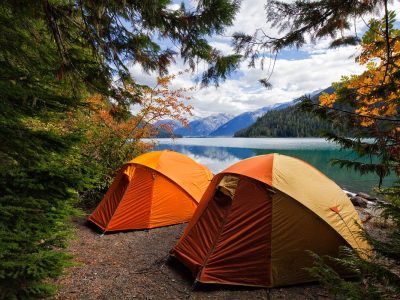
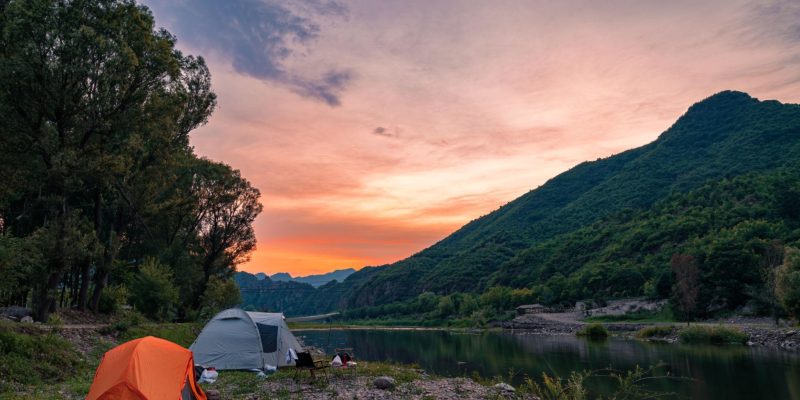
Example Landscape of a Transboundary Wilderness Area
These landscapes highlight the diversity and scale of transboundary wilderness areas, ranging from alpine environments to savannah ecosystems.
Tips for a Successful Experience
- Plan well in advance: Secure permits early and map out routes carefully
- Travel with a partner or group: Safety increases with numbers
- Stay informed: Monitor weather and political conditions
- Be adaptable: Conditions can change quickly in remote areas
- Respect boundaries: Both ecological and political
The Future of Transboundary Camping
As global conservation efforts expand, more transboundary parks are being established. These initiatives promote peace, environmental protection, and sustainable tourism.
Campers play a vital role in this future. By respecting regulations and practicing responsible tourism, they help preserve these shared landscapes for generations to come.
FAQ Section
1. Do I need a passport to camp in transboundary wilderness areas?
Yes, a valid passport is typically required, even if border crossings occur within remote wilderness zones.
2. Are there guided tours available for transboundary camping?
Many regions offer guided expeditions, which can simplify logistics and enhance safety, especially for first-time visitors.
3. Can I camp freely anywhere in these areas?
No, most transboundary parks have designated camping zones and require permits to protect the environment.
4. How do I handle emergencies across borders?
Carry emergency contact information for all countries involved and use satellite communication devices when possible.
5. Is wildlife more dangerous in transboundary regions?
Wildlife is not necessarily more dangerous, but these areas often have higher biodiversity, requiring increased awareness and precautions.
6. Are language barriers a major issue?
They can be, depending on the region. Learning basic phrases or traveling with a guide can help overcome communication challenges.
7. What is the best time of year for transboundary camping?
The ideal time depends on the specific region. Research seasonal conditions across all countries involved before planning your trip.