 By Bede Halsey
Introduction
High plateaus are among the most striking landscapes on Earth. Elevated, expansive, and often remote, they challenge both the body and the mind. When these regions also sit at the intersection of cultures, they offer something even more compelling: a journey through both geography and human identity.
Expeditions across high plateaus are not simply physical adventures. They are experiences shaped by altitude, climate, and cultural diversity. From the thin air of elevated terrain to the traditions of communities that have adapted to these conditions for generations, these journeys demand awareness, preparation, and respect.
Understanding High Plateau Environments
A high plateau is a large, flat or gently rolling area situated at significant elevation, often above 8,000 feet. These landscapes are typically surrounded by mountains or rugged terrain and can span vast regions across continents.
Key Environmental Features
- High elevation: Reduced oxygen levels affect physical performance
- Extreme weather: Rapid temperature shifts between day and night
- Sparse vegetation: Limited plant life due to harsh conditions
- Wide-open terrain: Expansive views with minimal natural shelter
These features shape not only the environment but also the cultures that exist within it.
Cultural Frontiers on High Plateaus
High plateaus often act as meeting points between different cultures, languages, and traditions. Their remoteness has preserved unique ways of life while also facilitating historical exchanges.
Characteristics of Cultural Frontiers
- Diverse communities: Multiple ethnic groups may share the same region
- Distinct traditions: Unique clothing, food, and rituals adapted to the environment
- Historical trade routes: Plateaus often served as connectors between regions
- Spiritual significance: Many high-altitude areas hold religious importance
Traveling through these regions means encountering living cultures that are deeply connected to their surroundings.
Why Choose a High Plateau Expedition
Expeditions across high plateaus offer a combination of physical challenge and cultural discovery.
Unique Benefits
- Unmatched scenery: Vast landscapes with dramatic skies and horizons
- Cultural immersion: Opportunities to engage with remote communities
- Personal growth: Physical and mental resilience are tested
- Low population density: Fewer crowds and more solitude
These journeys provide a sense of scale and perspective that is difficult to find elsewhere.
Planning Your Expedition
Preparation is essential when traveling through high-altitude regions.
Research the Region
Understanding both environmental and cultural factors is key.
- Study elevation profiles and terrain
- Learn about local customs and traditions
- Identify seasonal weather patterns
- Understand access routes and infrastructure
Permits and Regulations
Some high plateaus are protected or restricted areas.
- Obtain necessary travel permits
- Follow guidelines for protected regions
- Respect local governance and community rules
Timing Your Trip
Seasonal conditions can significantly impact your expedition.
- Avoid extreme winter conditions unless experienced
- Plan around monsoon or rainy seasons
- Consider cultural festivals that may affect travel
Physical Preparation and Acclimatization
Altitude is one of the most significant challenges of plateau expeditions.
Effects of High Altitude
- Reduced oxygen levels
- Increased fatigue
- Risk of altitude sickness
Acclimatization Strategies
- Ascend gradually
- Take rest days at higher elevations
- Stay hydrated
- Avoid overexertion in the early stages
Proper acclimatization is critical for safety and performance.
Essential Gear for High Plateau Expeditions
The right equipment ensures comfort and safety in challenging conditions.
Clothing
- Layered clothing for temperature regulation
- Insulated jackets for cold nights
- Sun protection including hats and sunglasses
Camping and Travel Gear
- High-altitude tents
- Sleeping bags rated for low temperatures
- Portable cooking equipment
- Navigation tools
Health and Safety Equipment
- First aid kit
- Altitude medication if prescribed
- Water purification systems
- Emergency communication devices
Packing efficiently while preparing for extremes is essential.
Navigating Cultural Interactions
Respectful engagement with local communities enhances your experience.
Cultural Awareness
- Learn basic greetings in local languages
- Understand social norms and etiquette
- Dress appropriately for the region
Building Connections
- Show genuine interest in local traditions
- Support local businesses and guides
- Participate respectfully in cultural activities
These interactions create meaningful connections and mutual respect.
Environmental Responsibility
High plateau ecosystems are fragile and require careful stewardship.
Sustainable Practices
- Minimize waste and pack out all trash
- Avoid disturbing wildlife
- Use established trails and campsites
- Limit resource consumption
Protecting Natural Resources
- Conserve water
- Avoid contaminating local water sources
- Respect vegetation and soil stability
Responsible travel helps preserve these unique environments.
Challenges of High Plateau Expeditions
These journeys are rewarding but demanding.
Environmental Challenges
- Harsh weather conditions
- Strong winds
- Limited shelter
Physical Challenges
- Altitude-related fatigue
- Increased energy expenditure
- Need for endurance and resilience
Logistical Challenges
- Remote locations with limited support
- Difficult transportation
- Communication barriers
Understanding these challenges allows for better preparation.
Safety Considerations
Safety should always remain a priority.
Monitoring Health
- Watch for symptoms of altitude sickness
- Rest if experiencing dizziness or nausea
- Descend if symptoms worsen
Emergency Planning
- Identify evacuation routes
- Carry communication devices
- Inform others of your itinerary
Travel in Groups
Group travel provides additional safety and support in remote areas.
Visualizing High Plateau Landscapes
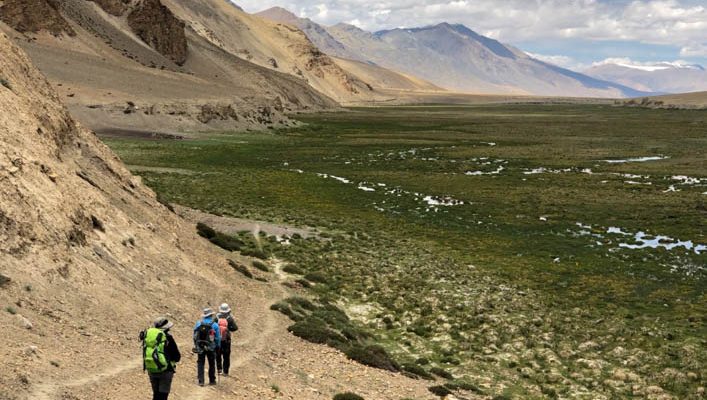
These images reflect the vastness and diversity of high plateau regions, where natural beauty and cultural presence coexist.
Tips for a Successful Expedition
- Prepare thoroughly: Research and plan every aspect of your journey
- Pace yourself: Allow time for acclimatization
- Stay adaptable: Conditions can change quickly
- Respect cultures: Engage thoughtfully with local communities
- Prioritize safety: Monitor health and environment continuously
These practices contribute to a more rewarding and secure experience.
The Deeper Value of Plateau Expeditions
Traveling across high plateaus offers more than physical achievement. It provides insight into how humans adapt to extreme environments and how cultures evolve in isolation and connection.
These journeys encourage reflection, resilience, and appreciation for both nature and humanity. They remind us of the vastness of the world and the diversity of life within it.
FAQ Section
1. What is the biggest challenge of high plateau expeditions
Altitude is the most significant challenge, affecting breathing, energy levels, and overall health.
2. How long does it take to acclimatize to high altitude
It varies by individual, but most people need several days to adjust properly.
3. Are high plateau expeditions suitable for beginners
Some routes are accessible to beginners, but proper preparation and gradual exposure to altitude are essential.
4. What should I eat during a high plateau expedition
High-energy, easily digestible foods such as grains, fruits, and protein-rich snacks are recommended.
5. How do I respect local cultures during my trip
Learn about traditions, follow local customs, and interact respectfully with communities.
6. Is it safe to travel alone in high plateau regions
Solo travel is possible but carries higher risks. Traveling with a group or guide is generally safer.
7. What type of training is recommended before such an expedition
Cardiovascular fitness, endurance training, and hiking practice at moderate elevations help prepare for the journey.