
 By Bede Halsey
Planning a team day should result in a fun and productive time away from the desks. Done well, it gives people the chance to build better working relationships, think in new ways and enjoy spending time together. But not every team building event hits the mark. Some feel forced, others feel too much like work. If you’re looking for ideas in a warm and relaxed place, team building Thailand style can be exactly what your group needs.
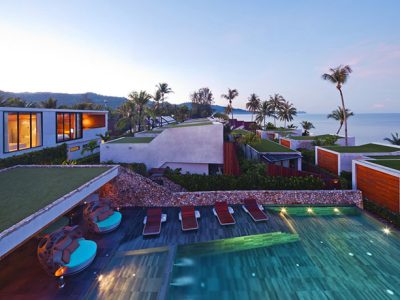
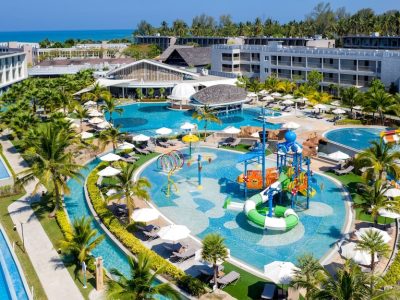
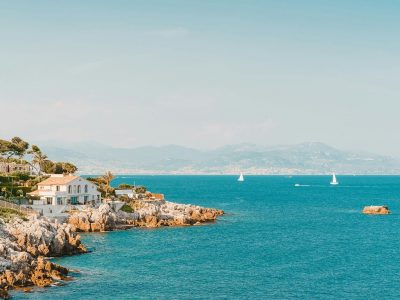
The setting makes a big difference. Taking your team out of the usual office routine helps shift people’s mindset. When you’re surrounded by nature or in a different part of the country, it becomes easier to relax. In Thailand, it could be a beachside resort, a quiet garden, or a more remote space that gives everyone room to switch off from emails and get stuck into something new.
The activity itself matters too. Team building shouldn’t just be a tick-box task. Good events create space for genuine interaction. That could mean working together on a problem, building something, or even cooking a meal as a group. The important thing is that people need to rely on each other in ways they don’t during normal workdays.
Physical challenges work for some teams, but not for all. The best events offer a mix of things to do, with space for people to join in at their own pace. You could have an outdoor challenge in the morning, then something more creative or reflective in the afternoon. That way, everyone gets the chance to take part without pressure.
Food always helps. Sitting down to eat is a natural way to connect. In Thailand, you don’t need much effort to enjoy great meals, whether it’s a shared buffet, a barbecue or a hands-on Thai cooking session. Sharing food breaks down barriers and can be one of the most memorable parts of the day.
Free time is just as important as structured time. Teams don’t always need back-to-back activities. Leaving gaps in the schedule allows people to chat, relax or enjoy the setting. These informal moments often lead to the best conversations and real connections between team members.
Another thing to think about is the length. A single day can work if the focus is strong and the pace feels relaxed. But if your team is travelling, a two-day or three-day event may offer better value. It gives people a chance to settle into the setting and build stronger connections over time.
It also helps to have someone on hand to guide the day. A local organiser or facilitator can take care of timing and logistics, leaving your team free to enjoy themselves. That could be someone who works for the venue or an independent organiser with experience running group events.
Many teams find that activities tied to a shared goal work better than pure entertainment. Something like a beach clean-up, community garden project or group volunteering session can be both rewarding and enjoyable. These kinds of tasks bring people together around a shared purpose, and they often talk about it long after the event is over.
Lastly, ask for feedback. After the event, give people the chance to say what they liked and what could be better next time. It shows you care about their input and helps shape stronger future plans.
A good team building event isn’t about doing something wild or over-the-top. It’s about choosing a setting and plan that gives people the space to show up, join in and leave feeling a little more connected than they were before.