 By Bede Halsey
Introduction
Riverbank camping offers more than scenic beauty and outdoor recreation. It places travelers at the intersection of nature and human history, where landscapes have been shaped not only by water but also by generations of cultural activity. Rivers have long served as lifelines for civilizations, and camping along their banks allows you to experience this deep connection firsthand.
From ancient trade routes to sacred waterways, riverbanks often hold stories that go far beyond their natural appeal. Camping in these areas requires a balance of environmental awareness and cultural sensitivity, making the experience both enriching and responsible.
Understanding Cultural Landscapes Along Rivers
A cultural landscape is a geographic area that reflects the interaction between humans and the natural environment. Riverbanks are among the most prominent examples of such landscapes because they have historically supported agriculture, trade, settlement, and spiritual practices.
Key Features of Riverbank Cultural Landscapes
- Historic settlements: Many towns and villages originated along rivers due to access to water and transportation
- Agricultural use: Floodplains often support farming, creating unique rural scenery
- Sacred sites: Rivers are frequently tied to religious or spiritual traditions
- Traditional livelihoods: Fishing, boating, and craftsmanship often define local cultures
Camping in these areas means stepping into living environments where traditions are still practiced.
Why Choose Riverbank Camping?
Camping by a river offers a distinctive blend of relaxation, exploration, and cultural discovery.
Unique Advantages
- Access to water activities: Fishing, kayaking, and swimming
- Scenic diversity: From calm streams to powerful currents
- Cultural immersion: Opportunities to interact with local communities
- Natural cooling: Rivers often create cooler microclimates, especially in warmer regions
Unlike isolated wilderness camping, riverbank camping often brings you closer to human activity, making the experience more dynamic.
Planning Your Riverbank Camping Trip
Careful planning is essential to ensure both safety and respect for local customs.
Research the Area
Before heading out, gather information about:
- Local cultural practices and traditions
- Land ownership and camping permissions
- Environmental regulations
- Seasonal river behavior
Understanding these factors helps avoid misunderstandings and ensures a smoother experience.
Permits and Permissions
In many regions, riverbanks may be privately owned or culturally protected. Always:
- Seek permission from local authorities or landowners
- Respect restricted or sacred areas
- Follow designated camping guidelines
Timing Your Visit
Rivers can change dramatically with the seasons. Consider:
- Flood risks during rainy seasons
- Water levels for activities like boating
- Cultural festivals or events that may affect access
Essential Gear for Riverbank Camping
Packing for riverbank camping requires attention to both environmental conditions and cultural considerations.
Basic Camping Equipment
- Weather-resistant tent
- Sleeping bag suited for local climate
- Portable stove or cooking kit
- Headlamp or flashlight
River-Specific Gear
- Waterproof bags for valuables
- Water shoes or sandals
- Fishing equipment if permitted
- Life jacket for water activities
Cultural Considerations
- Modest clothing where appropriate
- Reusable containers to reduce waste
- Small gifts or supplies for local interactions
Choosing the Right Campsite
Selecting a campsite along a river involves more than finding a scenic spot.
Safety Factors
- Camp above the high-water mark to avoid flooding
- Avoid areas with unstable banks or erosion
- Stay clear of strong currents or steep drop-offs
Environmental Responsibility
- Use existing campsites when possible
- Avoid damaging vegetation
- Keep a safe distance from wildlife habitats
Cultural Awareness
- Do not camp near sacred or ceremonial sites
- Respect local property boundaries
- Minimize noise in populated areas
Environmental Stewardship
River ecosystems are delicate and easily disrupted. Responsible camping practices are essential.
Leave No Trace Principles
- Pack out all trash
- Avoid polluting the water
- Use biodegradable products
- Limit campfire use
Protecting Water Quality
- Do not wash dishes or clothes directly in the river
- Dispose of waste at least 200 feet away from water sources
- Use portable toilets or designated facilities
Cultural Respect and Engagement
Riverbanks often serve as cultural hubs. Being a respectful visitor enhances your experience and supports local communities.
Interacting with Local Communities
- Greet people politely and respectfully
- Ask permission before taking photographs
- Show interest in local traditions
Supporting Local Economies
- Buy goods from local vendors
- Hire local guides for river tours
- Participate in community-led activities
Understanding Cultural Significance
Some rivers hold deep spiritual meaning. Activities that may seem harmless could be inappropriate in certain contexts. Always observe and adapt to local norms.
Challenges of Riverbank Camping
While rewarding, riverbank camping comes with specific challenges.
Environmental Risks
- Sudden flooding
- Insects and pests
- Variable weather conditions
Human Impact
- Crowded areas near popular rivers
- Noise pollution
- Waste management issues
Navigation and Accessibility
Some riverbanks may be difficult to access, requiring careful route planning and physical effort.
Safety Considerations
Safety should remain a top priority throughout your trip.
Water Safety
- Never underestimate river currents
- Avoid swimming in unfamiliar areas
- Wear life jackets when boating
Wildlife Awareness
- Store food securely
- Keep a safe distance from animals
- Be aware of region-specific risks
Emergency Preparedness
- Carry a first aid kit
- Know the nearest medical facilities
- Keep emergency contacts accessible
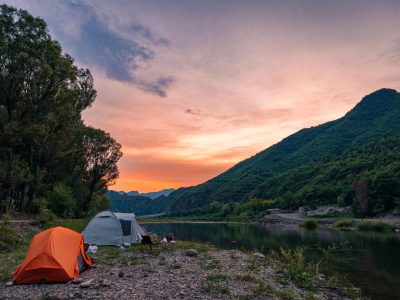
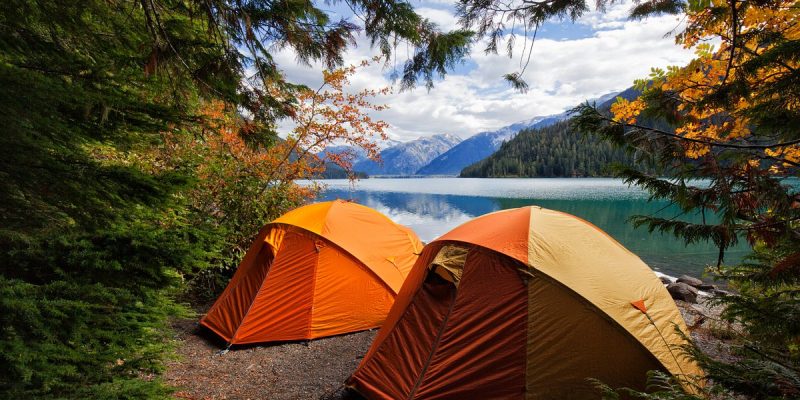
Visual Representation of Riverbank Camping
These scenes illustrate how riverbank camping blends natural beauty with human presence, creating a rich and layered outdoor experience.
Tips for a Meaningful Experience
- Observe before acting: Take time to understand your surroundings
- Travel light: Reduce your environmental footprint
- Engage respectfully: Build positive connections with locals
- Stay flexible: Conditions and plans may change
- Document responsibly: Capture memories without disrupting others
The Broader Significance of Riverbank Camping
Riverbank camping across cultural landscapes highlights the interconnectedness of nature and human life. It encourages travelers to move beyond sightseeing and toward meaningful engagement with both the environment and the people who depend on it.
As tourism continues to grow, responsible camping practices become increasingly important. By respecting both ecological and cultural boundaries, campers can help preserve these unique landscapes for future generations.
FAQ Section
1. Is riverbank camping allowed everywhere?
No, access varies by location. Some riverbanks are protected, privately owned, or culturally restricted, requiring permission before camping.
2. What are the biggest risks of camping near rivers?
Flooding, strong currents, and unstable ground are the main risks. Proper site selection and awareness are essential.
3. Can I drink water directly from a river?
No, untreated river water may contain harmful bacteria or pollutants. Always use a filtration or purification system.
4. How do I know if a riverbank is culturally sensitive?
Research the area beforehand or ask local residents. Signs, shrines, or restricted zones often indicate cultural significance.
5. What activities are best suited for riverbank camping?
Fishing, kayaking, photography, and cultural exploration are popular activities, depending on local regulations.
6. How can I minimize my environmental impact?
Follow Leave No Trace principles, avoid polluting water sources, and reduce waste by using reusable items.
7. Is riverbank camping suitable for beginners?
Yes, but beginners should choose accessible locations, check safety conditions, and consider guided experiences for their first trip.